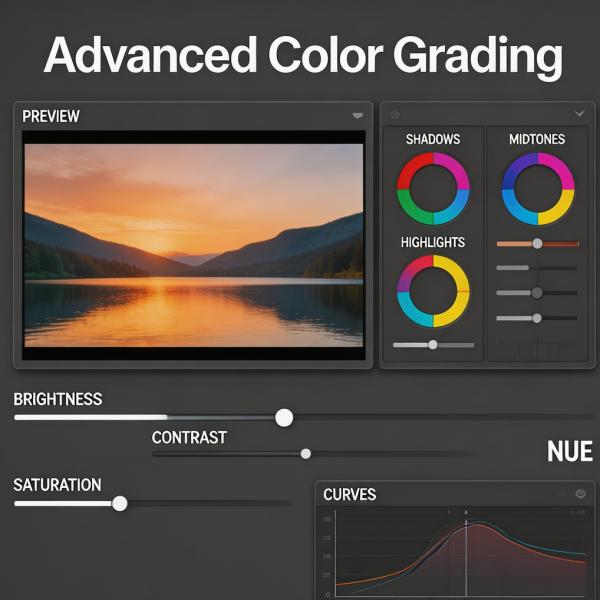
Advanced Film and Television Color Grading Bootcamp

Product details
Advanced Film and Television Color Grading Bootcamp
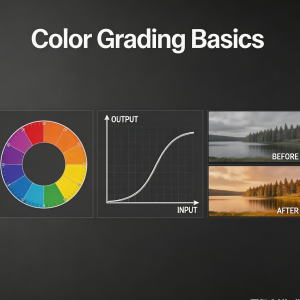
This advanced bootcamp is designed for experienced editors and colourists who want to push their grading skills to a professional broadcast standard. Participants work with high‑dynamic‑range footage, learning advanced techniques for matching shots across scenes, creating consistent looks across an entire project, and developing show‑level colour palettes. The curriculum covers node‑based grading workflows, secondary colour correction using keys and masks, and advanced look development including film emulation and genre‑specific colour aesthetics. Students grapple with real‑world challenges: mixed lighting conditions, problematic footage that resists correction, and the technical demands of HDR delivery. Collaborative workflows between editor and colourist are addressed, including conforming and round‑tripping. The bootcamp concludes with participants grading a complete short sequence to portfolio standard, receiving detailed critique on their creative and technical choices.
Shipping and Returns
Shipping cost is based on weight. Just add products to your cart and use the Shipping Calculator to see the shipping price.
We want you to be 100% satisfied with your purchase. Items can be returned or exchanged within 30 days of delivery.
Quick Comparison
| Advanced Film and Television Color Grading Bootcamp remove | Documentary Editing Techniques Course remove | Commercial Advertising Video Editing Course remove | Video Editing Efficiency Improvement Course remove | Short Video Rhythm Editing Bootcamp remove | Basic Video Color Grading Course remove | |
|---|---|---|---|---|---|---|
| Name | Advanced Film and Television Color Grading Bootcamp remove | Documentary Editing Techniques Course remove | Commercial Advertising Video Editing Course remove | Video Editing Efficiency Improvement Course remove | Short Video Rhythm Editing Bootcamp remove | Basic Video Color Grading Course remove |
| Image | | 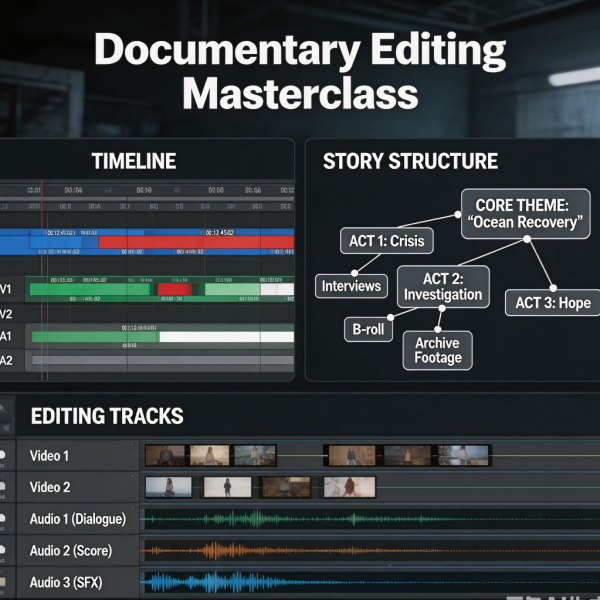 | 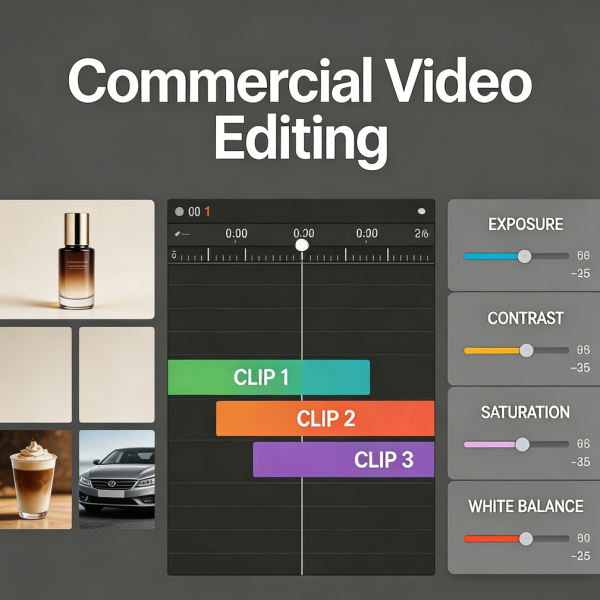 | 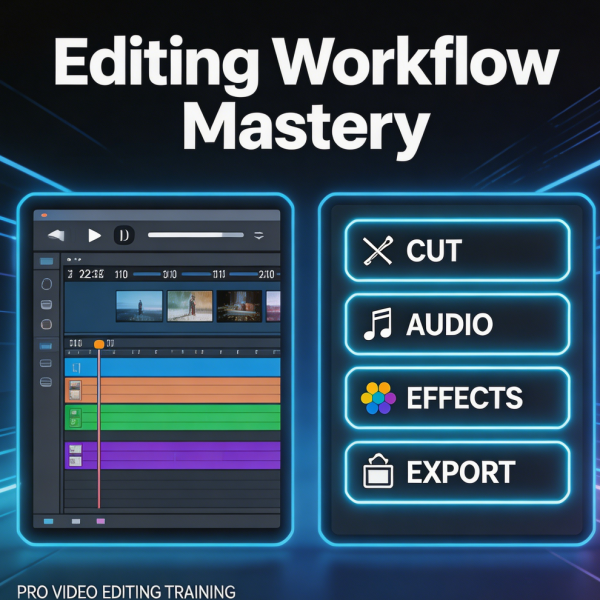 | 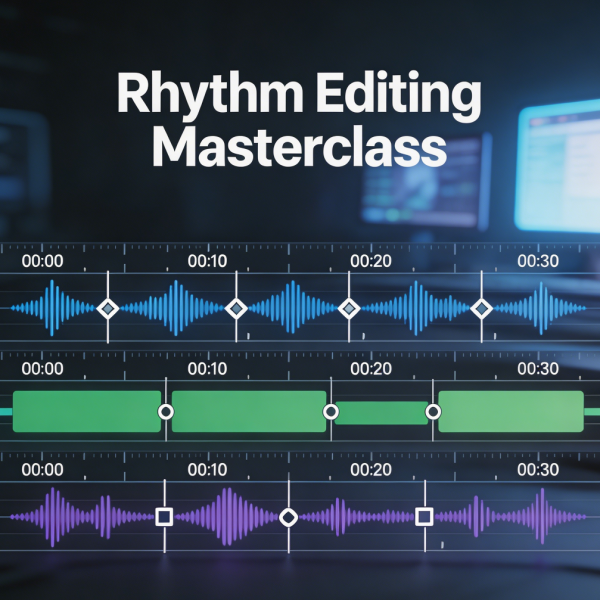 | 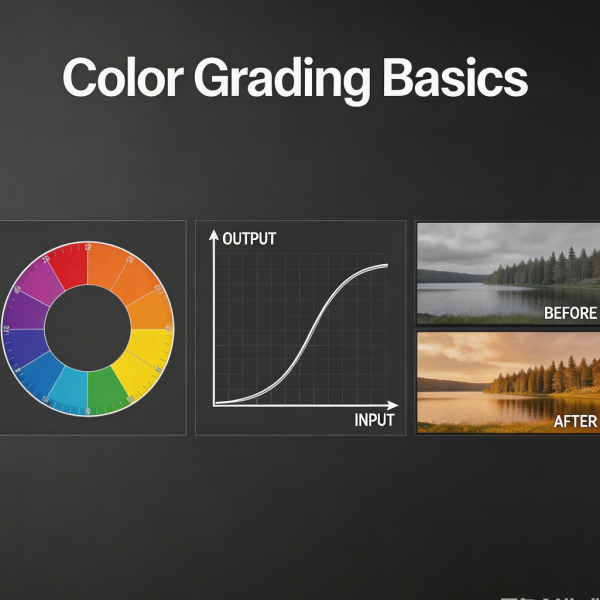 |
| SKU | 69FC91E4-E82F-5822-6263-D8D88C0A5251 | 8D950528-7DAB-4686-6A1C-DEB470656B6E | 8AE7CD01-58A8-9A07-72D0-6E588871C9FC | 0F3FCF6D-DD89-C61F-DC71-85E7BE06E087 | 806CFDE0-B41F-B9A7-C3CC-0341F07B9166 | 551C7BD9-80ED-17EA-3BEA-9DDA81E850B1 |
| Rating | ||||||
| Price | £149.99 | £149.99 | £129.99 | £79.99 | £79.99 | £89.99 |
| Stock | ||||||
| Availability | ||||||
| Add to cart | ||||||
| Description | ||||||
| Content | Advanced Film and Television Color Grading BootcampThis advanced bootcamp is designed for experienced editors and colourists who want to push their grading skills to a professional broadcast standard. Participants work with high‑dynamic‑range footage, learning advanced techniques for matching shots across scenes, creating consistent looks across an entire project, and developing show‑level colour palettes. The curriculum covers node‑based grading workflows, secondary colour correction using keys and masks, and advanced look development including film emulation and genre‑specific colour aesthetics. Students grapple with real‑world challenges: mixed lighting conditions, problematic footage that resists correction, and the technical demands of HDR delivery. Collaborative workflows between editor and colourist are addressed, including conforming and round‑tripping. The bootcamp concludes with participants grading a complete short sequence to portfolio standard, receiving detailed critique on their creative and technical choices. | Documentary Editing Techniques CourseDocumentary editing is a distinct art form that requires the editor to find the story within hours of raw footage, often without a script. This course teaches the unique skills of the documentary editor: logging and organising vast amounts of material, identifying narrative threads, and constructing compelling stories from real‑life events. Participants learn to work with interview footage, verité scenes, archival material, and B‑roll to build sequences that inform and move audiences. The curriculum covers the ethical responsibilities of the documentary editor, including fair representation of subjects and honest treatment of events. Students study documentary structure — from observational to expository to participatory forms — and practice applying these frameworks to their own edits. Hands‑on projects involve cutting a short documentary from provided raw footage, with mentorship on storytelling decisions at every stage of the process. | Commercial Advertising Video Editing CourseAdvertising video operates under unique constraints: every frame must earn its place, and every second counts toward the persuasive goal. This course teaches the editing techniques that drive commercial impact, from creating compelling product hero shots to building emotional arcs within thirty seconds. Participants study successful advertising edits to understand how pacing, shot selection, and sound design work together to influence viewer behaviour. The curriculum covers versioning — creating multiple cuts for different platforms and audiences — as well as integrating motion graphics, voiceover, and licensed music. Students work on real briefs, editing raw footage into finished commercial spots suitable for broadcast, social media, and pre‑roll advertising. The course also addresses the collaborative workflow between editor, director, and agency, preparing participants for the fast‑paced world of commercial post‑production. | Video Editing Efficiency Improvement CourseSpeed in the editing suite is not about rushing; it is about removing friction so that creative decisions can flow uninterrupted. This course teaches proven workflows and techniques that dramatically reduce the time spent on routine editing tasks. Participants learn to configure their editing environment for maximum productivity, from customising keyboard shortcuts and setting up workspaces to creating template projects that eliminate repetitive setup. The curriculum covers media management strategies that prevent the chaos of disorganised drives, proxy workflows for smooth playback on modest hardware, and batch processing techniques that apply changes across multiple clips simultaneously. Students are introduced to automation tools and scripting for repetitive tasks. The course also addresses the mental aspects of efficiency: prioritising decisions, avoiding perfectionism in early cuts, and maintaining creative momentum through a project. | Short Video Rhythm Editing BootcampRhythm is the invisible force that separates amateur video from professional content. This intensive bootcamp focuses exclusively on the art and technique of rhythmic editing — the precise timing of cuts to music, sound effects, and narrative beats. Participants learn to identify musical phrasing, downbeats, and tempo changes, then translate these into edit points that create energy, tension, and release. Through repeated practice with tracks across multiple genres, students develop an intuitive sense of pacing that makes their videos feel dynamic and polished. The bootcamp covers beat‑matching techniques, J‑cuts and L‑cuts for smooth transitions, and methods for building momentum across a sequence. Exercises include recutting provided footage to different musical styles and receiving detailed feedback on timing decisions. Graduates leave with a refined sense of rhythm that elevates every project they touch. | Basic Video Color Grading CourseColour grading transforms flat, unprocessed footage into images with mood, depth, and visual impact. This introductory course demystifies the colour grading process, making it accessible to editors without prior colour experience. Participants learn the fundamental tools of the colourist: exposure and contrast adjustment, white balance correction, and the manipulation of shadows, midtones, and highlights. The course covers the difference between colour correction — fixing problems and achieving a neutral starting point — and colour grading — applying a creative look that serves the story. Students work through structured exercises to develop their eye, learning to read scopes including waveform, vectorscope, and histogram. The curriculum also addresses skin tone preservation, a critical skill for any colourist. Graduates leave with a solid foundation in colour theory and the practical skills to enhance their projects immediately. |
| Weight | N/A | N/A | N/A | N/A | N/A | N/A |
| Dimensions | N/A | N/A | N/A | N/A | N/A | N/A |
| Additional information | ||||||
| Sold | 0 | 0 | 0 | 0 | 0 | 0 |
| Shipping |